



5 Important Car Warning Lights You Should Know.
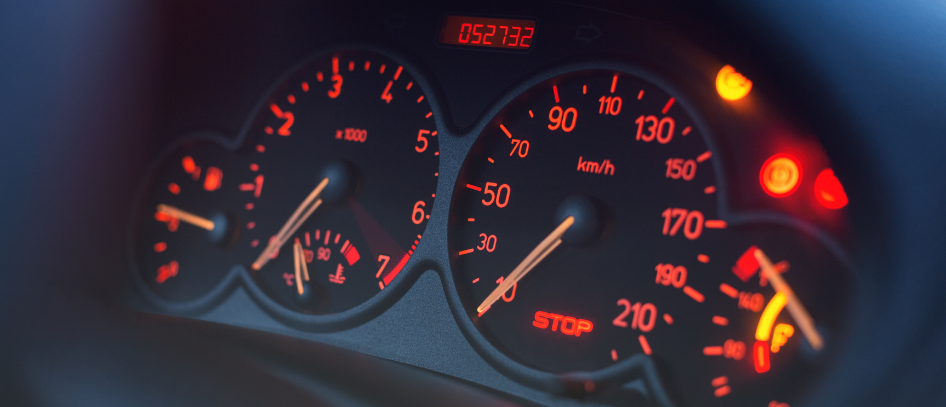
Car warning lights are designed to let you know when your vehicle has an issue. They can be related to the engine, fluid levels, tire pressure, or other systems. Each warning light is usually either red or yellow/orange. Red warning lights indicate more serious issues that can be safety hazards, while yellow or amber warning lights often mean something needs to be serviced or you need to operate your vehicle with caution until checked. It’s essential to understand what these lights are trying to tell you as each one has a different meaning, and some can indicate serious problems. Here are some of the most important car warning lights and what they mean.
Let us figure out what your warning lights mean, click here to schedule service today!
Red warning lights
Engine overheat light
This is a thermometer with three parallel lines along the top of the thermometer and wavy lines along the base. This means your engine is overheating, and you must pull over quickly. Check the coolant level and add more if it’s low. You should call a mechanic if the light stays on after adding coolant.
Oil pressure light
This light looks like an old-fashioned oil can and usually comes on when your oil level is low. If this light comes on, you should add oil to your car as soon as possible, as your vehicle cannot run without oil. It’s important to check your oil level regularly and top it off if necessary.
Battery charge malfunction light
This light shows a battery box with “+” and “-” symbols. It indicates that your car’s battery is not charging correctly. If this light stays on while driving, you should take your car to a mechanic to check the battery.
Click here to see if we have any coupons for your needed service.
Yellow/orange warning lights
Check engine light
This light looks like an engine with the word “check” inside of it (it could also be a lightning bolt symbol) and indicates that there’s an issue with your car’s engine. Although it’s not an emergency that requires immediate attention, you should take your vehicle to a mechanic for a check-up. However, if this light continually flashes, this indicates a more serious problem, and you should go to the mechanic as soon as possible.
Low fuel light
This light looks like a gas pump and comes on when your fuel level is low. It’s important to keep an eye on this light as running out of gas can damage your engine. If this light comes on, you should refuel as soon as possible.
Click here to see what the other warning lights stand for!
Resources for more information about car warning lights
If you want to learn more about car warning lights, carwarninglights.net has a comprehensive list of warning lights and other dashboard light symbols for your vehicle and what they mean. You can also find more information in your car’s owner’s manual.
Think your car has a recall? Click here to find out!
![[Facebook]](https://www.fordlincolncharlotte.com/blogs/594/wp-content/plugins/bookmarkify/facebook.png)
![[LinkedIn]](https://www.fordlincolncharlotte.com/blogs/594/wp-content/plugins/bookmarkify/linkedin.png)
![[Twitter]](https://www.fordlincolncharlotte.com/blogs/594/wp-content/plugins/bookmarkify/twitter.png)
![[Yahoo!]](https://www.fordlincolncharlotte.com/blogs/594/wp-content/plugins/bookmarkify/yahoo.png)
![[Email]](https://www.fordlincolncharlotte.com/blogs/594/wp-content/plugins/bookmarkify/email.png)

Regular car maintenance is essential to keeping your vehicle running smoothly and extending its lifespan. But what kind of maintenance does your car need, and how often should it be done? The best way to stay on top of these maintenance needs is to consult your car’s owner manual. All manufacturers provide suggested routine maintenance schedules to keep your vehicle running optimally. In this post, we will give general routine maintenance guidelines most manufacturers follow, but check your owner’s manual and follow the schedule specific to your car.
Click Here To Schedule Car Service Now!
Every 5,000-8,000 miles
This includes checking all fluid levels: brake fluid, power steering fluid, transmission fluid, windshield washer fluid, and engine coolant. You will also need to replace windshield wipers, get an oil change done and have the oil filter replaced.
Check out local Car Service Specials.
Every 15,000-30,000 miles
You’ll need to have the air filter and fuel filter changed and the power steering fluid replaced. You should also have the brakes checked and inspected for wear at this time, as well as inspect the battery, radiator hoses, suspension system, and engine coolant.
35,000-50,000 miles
In addition to everything from the previous intervals, the spark plugs and spark plug wires will need to be replaced. You will also need to have the drive belts checked for cracks or fraying and replaced if necessary. You need to have the fuel system cleaned and again have the suspension system checked for wear.
Does Your Car Have A Recall? Click Here to find outl
60,000-75,000 miles
You’ll again need to repeat most of the general maintenance tasks from previous intervals plus a few additional ones:
- Inspect or change the engine drive belts
- Check or change transmission fluid
- Check or change brake pads or shoes
- Inspect brake rotors or drums
- Inspect hoses
- Inspect exhaust system
- Check ball joints and chassis
- Inspect steering system
- Check shocks or struts
- Check suspension springs
- Check wheel alignment
90,000-100,000 miles
By this point, you will need to give your car a very thorough inspection, looking for any signs of wear or tear. All the fluids should be replaced, the hoses and belts inspected, and the brakes, suspension, and steering systems checked. You will most likely need the engine timing belt replaced at this interval. This inspection is the most costly as it requires checking everything on your vehicle, ensuring everything is in good working order, and replacing what is worn out or broken.
While routine maintenance needs will vary somewhat based on the make and model of your vehicle and driving habits, these general guidelines can give you a good idea of what to expect. As you can see, a lot is needed to keep your car in optimum running condition. Still, by following the manufacturer’s suggested maintenance schedule and regular maintenance, you can avoid more costly repairs and ensure that your car will provide years of trouble-free service.
Remember to consult your car’s owner manual for specific maintenance recommendations.
Recently In A Car Accident? Click here to get an estimate on repairing your cars body damage.
Fall Car Care Tips to Prepare for the Change in Seasons
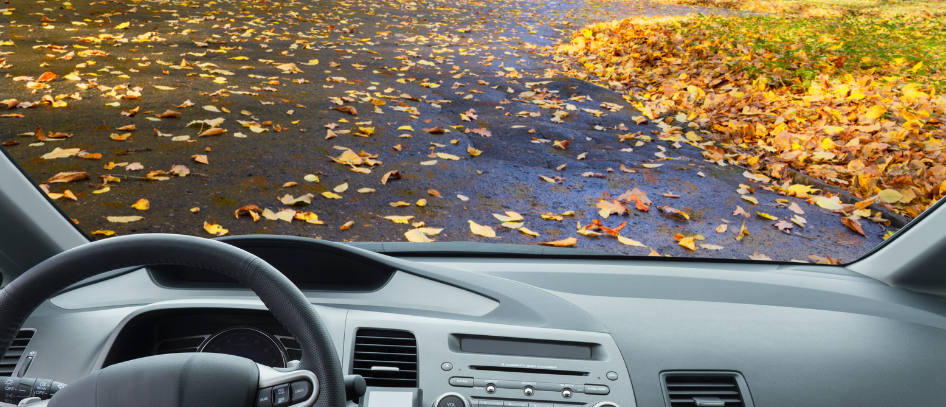
As the leaves begin to change color and the weather starts to cool down, it’s essential to ensure your car is prepared for the change in seasons. Just like you need to prepare your home for the colder months, your car needs some special attention too. With a few simple tips, you can prepare your vehicle for Fall and avoid any stressful surprises come wintertime.
Want to service your car in Charlotte? Click here
Check Your Lights
As the days start to get shorter, you’ll find yourself driving in the dark more often. You’ll want to ensure that your headlights, taillights, brake lights, and turn signals are all working properly. Not only is it unsafe to drive with faulty lights, but you could also get pulled over. Checking your lights regularly is a quick and easy way to help ensure your safety and compliance with the law.
Check Your Heater and Defroster
After a long hot summer, it’s easy to forget about your car’s heater and defroster. But trust us, you’ll be glad they’re working once the temperatures start to dip! Before the cold weather arrives, take some time to test out your heater and defroster to make sure they’re both in good working order. Nothing is worse than being stranded in a freezing cold car with a heater that doesn’t work!
Click here to see available maintenance services near you.
Check Your Wiper Blades
Wiper blades are another vital safety feature you will want to take care of before winter hits. As a general rule of thumb, you should replace your windshield wiper blades yearly. If it has been a while since you’ve changed them, Now is the time to do it. You don’t want to be caught in a rainstorm or snowstorm with old, worn-out wiper blades!
Have Your Brakes Inspected Regularly
It’s always a good idea to have your brakes inspected by a professional at least once per year, but if you notice any sounds when you brake, you may want them inspected sooner. Fall is a great time to do it because it’s before winter weather sets in (when you’re going to need them most!). Be sure to take your car to a professional so that they can properly inspect and service your brakes.
Click here to learn more about Brake Repair Services in Charlotte.
Check Your Tires’ Tread Depth
The tread on your tires helps provide traction on wet or icy roads. So it’s essential to ensure that your tires have enough tread before winter arrives. The penny test is an easy way to check tread depth at home. Simply insert a penny into the tread with Lincoln’s head pointing down. If the top of Lincoln’s head is visible at any point, then it’s time for new tires! Tires should generally be replaced when they reach 4/32″ tread depth remaining. But if you live in an area with extreme winters, you may want to consider replacing them sooner.
By following these simple car care tips you’ll keep your vehicle in top condition this autumn.Click
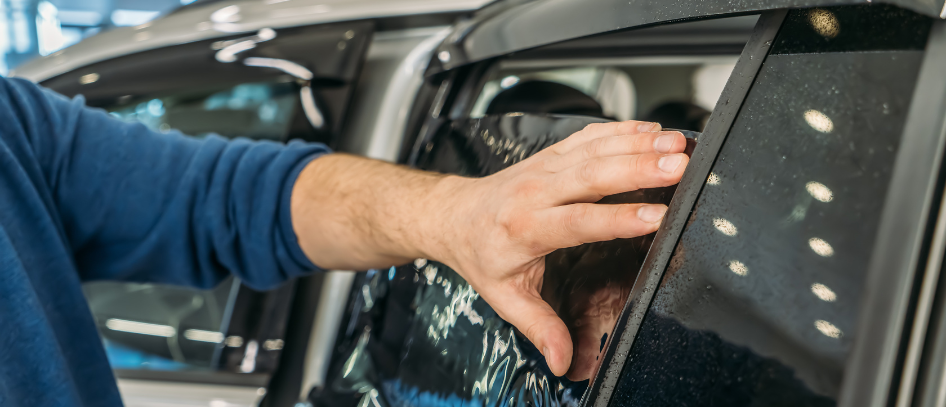
The sun can be a powerful force, and it’s no secret that it can cause some damage to the interior of your vehicle. Ultraviolet (UV) radiation from the sun can fade, discolor, and damage the upholstery, leather, dashboard, and other materials in your car. This can lead to costly repairs later on.
It’s important to protect the interior of your vehicle from the sun to prevent this from happening. There are several ways to do this that can help keep your car looking new for longer.
Tint your windows
Tinting your windows helps to reduce the amount of ultraviolet (UV) radiation that enters your car, and also keeps your car cooler by blocking out some of the heat from the sun.
Not all tint films are created equal, so you want to be sure to install a high-quality tint film, like ceramic tint, to block out 80-98% of the UV rays that cause most damage inside your vehicle.
Don’t just take our word for it. Click here for more information,
Sun shades
Sun shades help protect the inside of your car from the sun and keep your car cooler during the summer months. They reflect sunlight away from your car and some even have UV-resistant coating to block out UV rays. You can buy sun shades for the windshield, side windows, and rear window.
Your dashboard is one area that receives a lot of sun exposure, so a windshield sun shade is especially important to protect your dashboard from fading, peeling, or cracking from too much sun exposure.
Looking For Sun Shades Check Out Our Accessory Stores.
Seat covers
Seat covers that are made of UV-resistant or treated materials will best protect your car seats from sun damage. Seat covers are also great for protecting your seats from stains and general wear and tear.
Conditioning for leather seats
Leather seats are especially susceptible to UV and heat damage since they are made of natural material and not synthetic. Too much exposure to sunlight and high temperatures can cause leather seats to dry out, crack, fade in color, and become brittle. In addition to using the protective measures we mentioned above, you want to regularly use a leather cleaner and conditioner to help keep the leather hydrated and in its best condition.
Want to get your leather seats treated in Charlotte? Click here to schedule an appointment.
Park in the shade
One easy measure you can take to protect the interior of your car is by being vigilant to park in the shade whenever possible. This will help reduce the amount of sun exposure that your car is exposed to and help keep the interior temperature cooler.
Looking for a new Ford Truck? Click here to shop Ford Trucks for sale near you.
Park in a garage
If you have the option to park in a garage, this is the best way to protect your car from sun damage. Your car will be fully shielded from sunlight and won’t be exposed to high temperatures for extended periods of time.
These options listed are some of the best measures you can take to protect your vehicle’s interior from sun and heat damage, and keep it looking new and vibrant throughout the lifespan of your vehicle.
Click here for extra tips to protect your interior.
How to Get that New Car Smell Back in Your Car

People love the smell of a new car. New car smell is one of the most iconic and instantly recognizable scents in the world. It’s a nostalgic reminder of all the exciting possibilities and adventures ahead. A fresh scent that fills your car with the promise of a new journey, each time you get in. But over time, that new car smell fades away, and the staleness of day-to-day errands and take-out sets in.
How can you get that “new car smell” back and bring that sense of vibrancy back inside your vehicle? Read on to find out how!
What “new car smell” actually is.
Contrary to popular belief, the new car smell is not simply a combination of all the materials used in the car’s interior. In fact, it’s largely created by the chemicals used in the production of plastics and adhesives used in cars. When exposed to air, it breaks down and releases a strong, distinct odor that is otherwise known as that “new car smell.”
You can get that new car smell back when getting your car serviced.
Why “new car smell” fades
The chemicals that create the new car smell start to dissipate quickly just weeks after a new vehicle has finished production.
With everyday travel to work, family trips, take-out stops, and family outings with the dog, the build-up of dirt, debris, food odor, and pet hair all contribute to a new but unpleasant smell that hides the smell you want.
Air freshener won’t bring it back
Plenty of air fresheners on the market may mask unpleasant odors for a time, but even if a “new car” air freshener has the right smell, it won’t actually bring it all back because the underlying cause behind the stale, stuffy, and now unpleasant odors emanating from inside your vehicle hasn’t been resolved.
Click here to schedule your Ford Service Today
How to really get new car smell back
The simple solution: Keep the interior of your car really clean. Dirty interiors make for dirty smells. A clean, deodorized interior makes room for that “new car smell” to be more noticed, and keeps your car smelling fresher longer.
There are a few simple things you can do to get rid of bad-smelling odors and bring back that new car smell:
- Get rid of any trash, clutter, or unnecessary items that are taking up space in your car.
- Vacuum all the upholstery and floorboards to remove any odor-causing particles. Be sure to get behind, and around everything you can!
- Wash all the soft surfaces in your car with a specialized cleaning product that is safe for your car’s interior. This will help to remove any remaining odor-causing particles.
- Wipe down all the hard surfaces in your car with a safe cleaner.
- Don’t forget to thoroughly clean the air vents and change your air filter to make sure your vehicle is circulating the cleanest air into your vehicle.
By following these simple steps, you can easily get rid of bad-smelling odors and bring back that unforgettable new car smell.
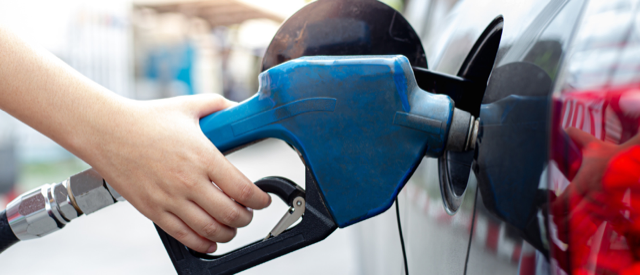
It’s no secret that gas prices are on the rise. With the price of fuel approaching $5.00/gal and over in some states, driving a car is becoming more and more expensive. There are multiple things you can do to improve your gas mileage and save money at the pump. Here are six simple tips we compiled to help you save money on this month’s gas budget:
1. Keep your tires properly inflated
You’ve probably heard it before, but it’s true. Keeping your tires properly inflated helps use less fuel. When your tires are inflated to the manufacturer’s recommended pressure, it decreases rolling resistance, which means your car doesn’t have to work as hard to move. This saves you gas and money at the pump.
If you’re not sure how to check your tire pressure, most gas stations have air pumps that you can use. Just be sure to check your owner’s manual first to find out what the recommended tire pressure is for your car.
Click here to schedule service in Charlotte, NC.
2. Avoid excessive idling
If you’re sitting in your car with the engine running, you’re wasting gas. Idling uses more fuel than starting and stopping your car, so it’s best to avoid it whenever possible. If you’re going to be stopped for more than a minute or two, turn off your engine.
Click here to learn more about the impact of idling.
3. Get a tune-up
One way to improve your gas mileage is to get a tune-up. A tune-up helps your car run more efficiently, which means you’ll use less fuel. When your car is running properly, it doesn’t have to work as hard to move and you’ll save at the pump.
If you’re not sure if your car needs a tune-up, consult your owner’s manual or ask your mechanic.
Click here to speak with one of our Ford Service Specialists.
4. Drive smoothly
If you’re the type of driver who likes to speed up and brake frequently, you’re using more gas than you need to. Driving smoothly – accelerating gradually and braking gently – can help improve your gas mileage.
When driving on the highway, cruise control can also help smooth out your driving. Cruise control helps you maintain a consistent speed, which means your car doesn’t have to work as hard to accelerate. This will help improve your fuel economy as well.
5. Combine errands
Whenever possible, try to combine errands into one trip and plan a route that requires little to no backtracking. This way, you won’t have to waste gas by driving back and forth multiple times. If you can, plan your errands so that you can do them all in one go.
Click here to see a guide for errand route planning.
6. Use the right octane level gasoline
If your car requires premium gas, using a lower octane level can actually decrease your fuel economy because your car’s engine won’t be running as efficiently. Be sure to use the recommended octane level for your car to get the best gas mileage possible.
Click here to learn more about octane levels.
Conclusion
By following these simple tips, you can improve your gas mileage and save money at the pump. These days, every little bit of money saved helps. Try out these tips on your next road trip or errand run and see how much you can save.
Click here to shop for new hybrid Ford models in Charlotte, NC.
How Can You Make Car Shopping Less Stressful?

The car-buying process can be daunting and scary, especially if you haven’t done much car shopping before. You may be unsure of what you should bargain for, or worry about being pressured to make a choice when you aren’t ready. We understand! We want to help make the process as stress-free as possible for you. In this article, we give you tips to help you feel more confident next time you go shopping for your next vehicle.
Click here to custom order a new Ford in Charlotte, NC.
Do your research
By knowing what type of car you want, what features you want, what you’re willing to pay for, and comparing some prices you’ll be able to narrow down your options and focus on the cars that are best for you. This will help make the process less overwhelming.
Click here to compare different car models.
Get pre-approved for financing
When you’ve already been approved for a loan from a lender, you don’t have to worry about being turned down or being haggled over interest rates. This will make the car-buying process go faster and smoother.
Click here to get pre-approved for an auto loan.
Have realistic expectations
This means being prepared for the possibility that you may not find the perfect car, and being okay with that.
Take your time
There’s no need to rush into a decision, so take your time and make sure you’re getting the car that’s right for you. This will help you feel more confident and avoid any regret later on.
Be aware of your credit score and what that means for you
A high credit score will help you get a lower interest rate on your loan, while a low credit score could mean you likely won’t be approved for a loan at all. Also, don’t let the dealer run your credit until you are ready to buy a car. Otherwise, it adds unnecessary inquiries to your credit report and could lower your score.
Click here to learn how your credit score impacts your car loan or lease price.
Don’t be afraid to walk away
If you’re feeling pressure to buy a car or you’re not sure if you’re getting a good deal, don’t be afraid to walk away. This will show the salesman that you’re not desperate and that you’re willing to walk away from a bad deal. This will also help give you more bargaining power.
Ask questions
If you’re unsure about something or want to know more about a car before making a decision, ask the salesman. They should be able to answer any of your questions. And when it comes time to negotiate, don’t be afraid to do so. This is how you get the best price for the car.
Click here to contact a Mark Ficken Ford team member with your questions.
Bring someone with you
If you’re feeling nervous or unsure, bring along a friend or family member who can give you advice and support. They can also help you remember important details that you may forget while you’re at the dealership.
Conclusion
When it comes to buying a car, the process can be stressful. But by following these tips, you can make the experience less overwhelming and more manageable. After all, this is a big decision, and you want to be sure you’re getting the right car for you.

Having a car regularly costs you money and sometimes a lot of money. Between the cost of the car, insurance, gas, and routine maintenance, it’s easy to spend a small fortune keeping a car on the road. However, there are ways to save money on all of these expenses. Here are ten easy tips for reducing your car costs.
1. Choose a car that’s affordable to insure
When it comes to car insurance, cheaper is always better. So choosing a car that’s affordable to insure will help you keep your premiums down, which will save you money in the long run.
Click here for a list of the cheapest cars to insure.
2. Compare insurance rates
You can quickly identify the best deal for your needs by comparing rates from multiple providers. This can save you a significant amount of money throughout the year.
Click here to compare automotive insurance company rates.
3. Find a gas station with the best prices
The gas station with the lowest prices in town can easily save you five to ten dollars every time you fill your tank.
Click here for a list of the top 10 gas stations in Charlotte, NC.
4. Drive efficiently to save on gas expenses
Driving efficiently is a great way to save money on gas expenses, from combining trips to driving smoothly on the road. When you drive efficiently, you use less gas and save money.
5. Carpool with friends or family members
Carpooling helps you share the costs of gas and insurance. You can save a significant amount of money by splitting the costs between several people.
6. Refinance your car loan
By refinancing your loan, you can get a lower interest rate, saving you money over the life of the loan. Additionally, you may be able to get a longer loan term, which will also lower your monthly payments.
Click here to contact us about refinancing your current vehicle.
7. Pay off your car loan quickly
When you have a car loan, you are typically charged interest on the money you borrow. The longer you take to pay off the loan, the more interest you will pay. By paying off the loan quickly, you can reduce the interest you pay and save money long-term.
8. Keep your car in good condition
By keeping up with routine maintenance, such as changing the oil and checking the tires, you can save yourself a lot of money in the long run. Additionally, fixing minor problems as they arise can help prevent them from becoming more significant, more expensive problems later on.
Click here to schedule service for your vehicle today!
9. Trade in your car for a more fuel-efficient model
If you’re due for a new car, trading in your current model for a more fuel-efficient one can save you money on gas expenses. With gas prices constantly fluctuating, this is a great way to save some money in the long run.
Click here to get an instant cash offer on your vehicle today!
10. Consider public transportation
Depending on where you live, public transportation may be a cheaper and more convenient option than driving. If you have the opportunity to take advantage of public transportation, it can save you a lot of money on car-related expenses.
We hope you found these tips helpful in saving you some money on your car expenses!
10 Car Accessories That Are Worth The Investment
Car accessories. Are they worth the investment? Contrary to what you might hear from some people, car accessories aren’t just unnecessary add-ons just to make your car more stylish or fancy. Many accessories are extremely beneficial, providing functionality that improves your safety, security, and protection of parts of your vehicle, saving you money in the long run. We generated a list of 10 car accessories that you’ll want to check out for your vehicle:
Click here for a list of accessories available for your car.
1. Dashboard Camera
Also called dash cams, they provide an unbroken video record of everything that happens on the road in front of your car, which can be extremely helpful in proving your innocence in the event of a traffic accident or road rage incident.
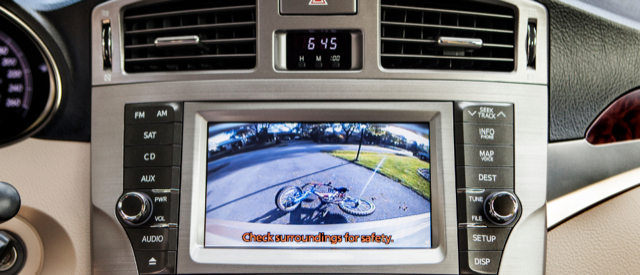
2. Backup Camera
A backup camera can help you avoid accidents by giving you a clear view of what’s behind your car while you’re in reverse. Many new cars come with backup cameras standard, but if yours doesn’t, it’s definitely worth the investment.
3. GPS tracker
GPS trackers can help you recover your vehicle if it’s stolen. They provide real-time location tracking, so you always know where your car is.
4. Tire Pressure Monitor
A tire pressure monitor (TPMS) is a sensor system that monitors the air pressure in your tires and alerts you when it gets too low. Driving on under-inflated tires can be dangerous and cause premature tire wear, so having a TPMS can keep you safe and save you money in the long run.
5. Parking Sensors
Parking sensors are another helpful safety feature that can prevent accidents. They use sensors to detect obstacles and notify you when you’re getting too close, so you can avoid bumping into things.
Click here to shop new Ford SUV models in Charlotte, NC.
6. Car Alarm
A car alarm is a great way to deter thieves and protect your vehicle. Car alarms make a loud noise when someone tries to break into your car, which will hopefully deter the thief and attract attention.
7. Immobilizer
An immobilizer is a device that prevents your car from being started without the proper key. This is a great theft deterrent, as it makes it much harder for thieves to steal your car.
8. Car Cover
A car cover is a great way to protect your car from the elements if you don’t have a garage to park in. Car covers keep your car clean and dry, and can also help prevent theft.
9. Windshield Sunshade
A windshield sunshade helps keep your car cool in the summer by blocking out the sun’s rays. This can help prevent heat damage to your car and make it more comfortable to get in after it’s been sitting in the sun.
10. Headlight Covers
Headlight covers help protect your headlights from being damaged by rocks or other debris. This can save you money in the long run, as replacing headlights is not cheap.
Keep in mind…
These are just a few of the many types of car accessories that are available on the market today. Many accessories are built to fit specific makes and models of vehicles, so be sure any accessories you purchase are made specifically for your car.
Click here to shop new Ford accessories in Charlotte, NC.
Tips For Getting The Most Out Of Your Test Drive

When test driving a car, it’s important to get the most out of the experience. You want to make a confident, well-informed decision about the vehicle and if it is right for you, but in the moment, it can be tough to remember all the things to pay attention to during a test drive. Here are some tips for making the most of your test drive:
Click here to browse new cars for sale in Charlotte and schedule a test drive.
Is it comfortable?
Do you have comfortable space for your legs? Are you able to relax in the driver’s seat and still see clearly? Does the steering wheel adjust easily, so you can position it well for you? You’ll also want to be able to get in and out of the car easily and be able to see and reach all the controls comfortably.
Take some time to get to know the car before you start the drive
Before you take off, take some time to get to know all of the vehicle’s features to see how everything works and if you’re comfortable using all the features. Test out the stereo, the A/C, and heater, and play with all the features to see if they work properly, are simple to navigate, and that they fit your needs and wants.
Click here to browse new Ford SUV and sedan specials.
Drive in different conditions and on different types of roads
When you get out on the road for your test drive, take the car through different road and traffic conditions. Test how it drives over potholes, bumps, or speed bumps to see how well it handles rough road conditions. Check the responsiveness of the steering wheel as you make your turns. Be sure to get it up to passing speed too, as on a highway to make sure the vehicle won’t overheat, which would show some issues with the car that would need to be addressed. Also check the blind spots, especially in heavier traffic. Some vehicles have massive blindspots and that could kill the deal for you.
Lastly, test the horn! The horn is often overlooked during a test drive and it is important to make sure the car has a working horn.
Click here to shop new Ford Trucks in Charlotte, NC.
Listen to the car while you drive
You can get a lot of information about the condition of the car by listening to it during your test drive. Be sure to have the radio turned off so you can listen closely.
The engine should sound smooth as you start the car and accelerate or coast on the road. You don’t want to hear any high-pitch sounds, wheezing, or clicks. Also, listen for any sounds that may happen when you hit the brakes. It should be quiet. If you hear any grinding or screeching then the brakes may need servicing. All in all, your test drive should be relatively quiet apart from normal road noise.
Conclusion
Using these tips, you can be sure that you will come away from your next test drive with a lot more information about the vehicle that will help you make a more confident decision on if it’s right for you.
Looking for more test drive tips, click here to learn more.
Connect with us


Recent Blog Entries
- Will the 2026 Mustang FX Package Be the Next Classic? Ford’s Boldest Retro Move Yet
- Are there any spy shots or teasers available for the 2026 Ford Mustang Raptor?
- Ready for Electric? Ford’s EV Future Explained
- Cómo Aumentar la Capacidad de Remolque de tu Ford F-150
- The Ultimate Guide to Maximizing Your F-150’s Towing Capacity