


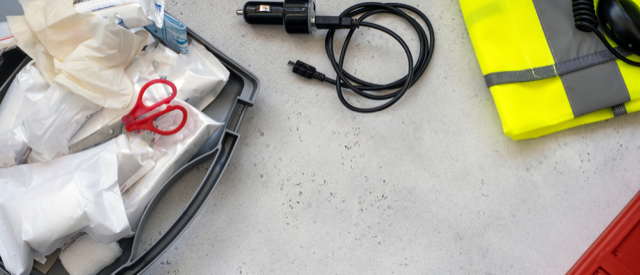
An emergency kit is a must-have for any vehicle. When you’re on the road, you never know what could happen, especially if you are taking a long road trip. A car accident, a blown tire, or even a simple mechanical problem can leave you stranded and in need of help. Having an emergency kit can be a lifesaver, and by being prepared, you can help yourself and your passengers in a time of need.
In this article, we are going to give you a list of the absolute essentials for your car emergency kit.
Click here to see what the NCS has to say about your safety kit.
The must-have essentials for your car emergency kit
- Flares. Provide high visibility, especially at night or in poor weather conditions, to help drivers be aware of you and help emergency responders easily find you.
- Emergency triangles. To alert drivers of where you are so, they can drive cautiously by you, helping keep you and them safe.
- Bottled water. You don’t want to get dehydrated. You want enough water to last you 2-3 days in case you get stranded for a long time, and have extra for any passengers you regularly have with you.
- Emergency food kits. Non-perishable food items or emergency food kits that can last 2-3 days for you and additional passengers. Foods that keep up your energy and are easy to consume without needing to be cooked. If you pack canned foods, be sure to include a can opener in your emergency kit.
- Compressible blanket. These take up very little space and are very helpful for keeping you very warm. It’s a good idea to have a few on hand, especially in frigid temperatures.
- First aid kit. Injuries can happen anytime. There’s nothing worse than getting injured while traveling and not having anything on hand to tend to it.
- Disposable rain poncho. If you need to get outside your vehicle in the cold and rain to put out flares or triangles or to put on a spare tire, a rain poncho is great to keep you dry, which will also help you maintain body heat.
- Gloves. These are a must during the winter season if you need to get out of the vehicle and tend to your car or set up emergency visuals.
- Flashlight. Conserve your phone power and pack a bright flashlight you can use in an emergency.
- Whistle. If you’re stranded on a back road in dense forest, a whistle may help others hear you and find you. It also helps scare off some curious animals.
Preparedness is key
No matter what the season, it’s important to have an emergency kit in your car. The essentials we listed are a must for any type of roadside emergency. However, you may want to pack other items specific to your needs, climate, or depending on where you live and the types of emergencies that are most common in your area. Make sure you take into account the seasons when packing your kit and always be prepared for the unexpected. Your life may depend on it.
Click here to shop for additional accessories for your vehicle.
![[Facebook]](https://www.fordlincolncharlotte.com/blogs/594/wp-content/plugins/bookmarkify/facebook.png)
![[LinkedIn]](https://www.fordlincolncharlotte.com/blogs/594/wp-content/plugins/bookmarkify/linkedin.png)
![[Twitter]](https://www.fordlincolncharlotte.com/blogs/594/wp-content/plugins/bookmarkify/twitter.png)
![[Yahoo!]](https://www.fordlincolncharlotte.com/blogs/594/wp-content/plugins/bookmarkify/yahoo.png)
![[Email]](https://www.fordlincolncharlotte.com/blogs/594/wp-content/plugins/bookmarkify/email.png)
How To Know When It’s Time For A New Car
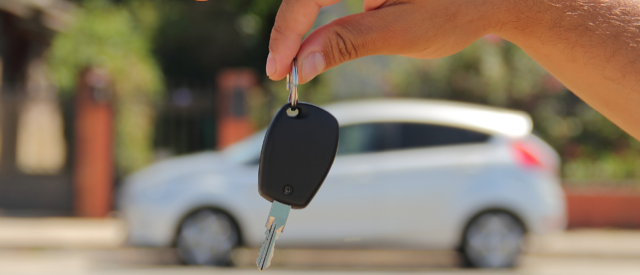
How do you know when it’s time to get rid of your old car and buy a new one? If you landed on this page, you’re probably wondering how to determine that it’s time to retire the old car and bring in a new one. On the other hand, maybe you are holding on to your car for sentimental reasons and may not be sure it’s time to retire it. In this article, we’ll talk about some things to look for that are a good indication it’s time to say goodbye to the old car.
Click here to shop for new cars in Charlotte, NC.
Signs that it might be time for a new car
1. Getting more expensive to keep it running
One of the most obvious signs that it’s time to retire your old car is when it starts to give you trouble and needs expensive repairs. If you constantly have to spend money on fixing your vehicle, then it’s probably not worth it to keep driving it. On the other hand, if you break down the expenses and see that the monthly cost is more than what a new car payment would be, then it’s time to consider getting a new car.
2. Comfort and safety are compromised
Another sign that it might be time for a new car is if your vehicle is no longer comfortable or safe to drive. This could be because it doesn’t have working features that fit your wants or needs anymore or because it’s not as reliable as it used to be. If you’re unhappy with your car and don’t feel safe driving it, it might be time to start car shopping.
Click here for eight signs your car is on its way out.
3. You’re ready for an upgrade
People’s needs change over time, and sometimes that means needing a different type of car. For example, if you initially got a small car because you didn’t have kids and now have a family, you might need to upgrade to a bigger car that can accommodate everyone. Or maybe you got a sports car when you were younger, and now you’re looking for something more practical. If you’re ready for a change, it might be time to get a new car.
Click here to custom order your next car!
4. Get a professional opinion
One of the best things you can do if you’re not sure about the state of your car is to take it to a professional and get their opinion. They will be able to tell you if it’s in good driving condition, if it needs and is worth fixing, or if it would be better to get a new car.
Click here to schedule service in Charlotte, NC.
The bottom line
These are just a few signs that it might be time to get rid of your old car and buy a new one. It’s not always an easy decision to make, but if you’re having regular doubts about your vehicle, or you feel unsafe and it’s not comfortable to drive anymore, it might be time to start looking for something new. Keep these things in mind, and you’ll be sure to make the right decision.
Click here to browse new Ford specials in Charlotte, NC.

Some people might try to convince you that it’s cheaper to go to a third-party mechanic, but there are many benefits to having your car serviced at a dealership. Here are five reasons why you should take your car there instead of to a third-party mechanic.
1. Dealerships have certified mechanics who specifically know your car well
Certified mechanics at dealerships have extensive knowledge about the specific make and model of vehicles sold at that dealership so you can rest assured your car is in great hands for being serviced. In addition to providing regular maintenance for your car, these certified mechanics are trained to easily identify and fix any issues with your car that may be noticed during complimentary inspections and general maintenance. This ensures that your car stays in good condition and that any potential problems are found and fixed before they become bigger and more expensive to repair. You won’t get that kind of service at a quick oil-change shop.
What is the difference between regular mechanics and certified mechanics?
2. Dealerships use manufacturer parts and accessories
When you take your car to a dealership for service, you can be sure that they will use manufacturer parts and accessories that are specifically made for your car. This helps to extend the lifespan of your car because manufacturer parts are designed to work well with your vehicle’s make and model.
Why are OEM parts important for your car?
3. Service records are well kept
If you take your car to a dealership for service, the service records will be well kept and filed. These service records are often included in Carfax reports. This is important if you plan to sell your car in the future. Potential buyers will see that the car has been regularly serviced which can help increase the resale value of your car.
Why is keeping accurate service records important?
4. Get a complimentary car wash with any services done
Finally, getting a free car wash from the dealership when you have your car serviced is a great perk. It helps keep your car clean and looking good, and also saves you time and money. Not every dealership offers a free car wash so be sure to check with your local dealership next time you’re in for a service.
Where can I schedule service in Charlotte, NC?
Conclusion
When it comes to servicing your car, it’s important to take it to a reputable source with certified mechanics, who use the right parts for your car, and who will handle your vehicle with professional quality service. Dealerships provide this kind of service so you can rest assured that your vehicle is getting the proper care it deserves. So next time your car is due for a check-up, be sure to take it to the dealership for the best service possible.
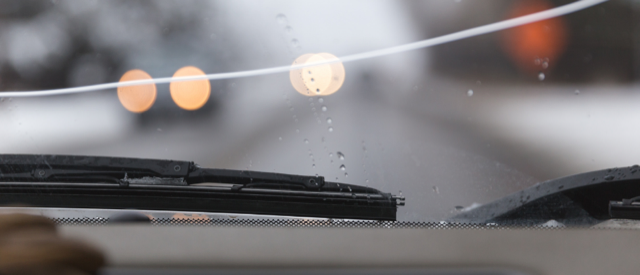
A rock gets kicked up and smacks your windshield as you are driving down the freeway. Thankfully, it’s small and down out of your line of view. No big deal, right? Actually, something this small can turn out to be quite dangerous. That little chip in your windshield may grow into a large fracture and spread rapidly, putting your windshield’s integrity at risk as well as endangering the safety of you and your passengers. Let’s take a look at why.
Auto Glass Repair in Charlotte, NC.
Windshields are designed with stress in mind
Windshields are typically made of two layers of glass with a plastic layer in between. They are designed to handle the constant stress of wind pressure and the weight of your car as you drive. Windshields are also designed to handle the expansion and contraction that naturally occur with extreme temperature fluctuations, like when you turn on your A/C on a hot day or blast the heat in freezing temperatures. Finally, your windshield not only contributes to the structural integrity of your car but also aids in the proper deployment of airbags in the event of an accident.
How chips and cracks severely damage the integrity of your windshield
When a chip occurs, the impact breaks the top layer of glass. This creates a small opening between that top layer of glass and the plastic layer. Not only does this opening allow moisture and small debris to get under that top layer of glass, causing further damage, but the small opening creates a weak spot in the windshield. Over time, the stressors and pressure that the windshield is made to withstand will actually cause more damage, making that weak spot more susceptible to spreading and becoming a large fracture.
As the windshield naturally contracts and expands to wind pressure and temperature changes, any moisture or debris underneath that top glass layer causes more focused pressure on the windshield, making it even weaker.
If your windshield is cracked, it can no longer properly protect you in the event of a collision. A damaged windshield is more likely to break completely if you get into an accident or if something hits it again, especially If the chip in your windshield has developed further into a larger fracture. This puts you and your passengers at risk for serious injury.
What are the different types of windshield cracks?
When to fix your chipped windshield
Repairing a chipped windshield is usually pretty inexpensive and only takes a short amount of time. However, if you wait too long and the chip turns into a crack, repairing your windshield will be much more expensive and time-consuming as the damage will be much harder to fix.
Ideally, you should get your windshield repaired as soon as possible after the chip occurs. The longer you wait, the more likely it is that the chip will develop into a larger crack. If you take care of it early on, most repair shops can quickly and easily fix the chip without having to replace your entire windshield.
Looking to repair damage to your vehicle? Click here to schedule your estimate today!
5 Things That Can Damage Your Car’s Resale Value
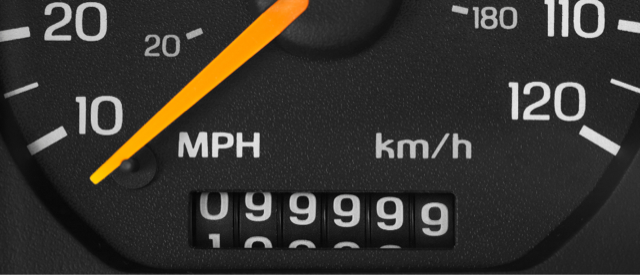
It’s no secret that a well-maintained car can fetch a higher price when it comes time to sell. But what many people don’t realize is that there are several things they can do, or don’t do, to their car that will actually decrease its resale value. We are going to touch on 4 of the biggest things that can damage your car’s worth when it comes time to sell.
1. Not keeping up on routine maintenance
If you don’t keep up on your vehicle’s routine maintenance, parts in your car will wear or break down sooner than they should. This will cause your car to have more serious and expensive problems down the road, which potential buyers will be wary of. Make sure you keep records of all regularly scheduled maintenance so you can show potential buyers that you’ve taken good care of your car and they can trust it is in great condition.
Click here to schedule maintenance for your current vehicle.
2. Accidents, dents, and scratches
One of the biggest things that can damage your car’s resale value is accidents, dents, and scratches. Even if the damage is minor, it can still turn potential buyers away. If you have been in an accident and had necessary repairs done, be sure to keep records of them. Dents and scratches can also be a big turn-off for potential buyers, so make sure to fix those up as well.
For more details on what accidents, dents, and scratches can do to your car click here.
3. Modifications
While you may love all the modifications you’ve made to your car, they might not be so popular with potential buyers. Many people view modifications as something that has been done to the car that could potentially decrease its value or make it less reliable. If you are planning on selling your car, it’s best to remove any modifications and return the car to its original state.
Click here for a breakdown of which modifications can impact value.
4. Excessive mileage
The higher the mileage on your car, the lower its resale value will be. This is because potential buyers will view a car with a lot of miles as being less reliable and more likely to have problems. If you are trying to sell your car, it’s best to do so before it hits a high mileage threshold.
Use our KBB Instant Cash Offer tool to see what your car is worth.
5. Smoking odor
One final thing that can bring down the resale value is the smell of smoke. Whether it’s from cigarettes, cigars, or other smoking items, the smell of smoke is a major turn-off for many potential buyers. If you are a smoker, it’s best to avoid smoking in your vehicle as much as possible if you want to maintain good resale value. The smell is very difficult to get rid of even if the car is very thoroughly cleaned.
Click here to see local service specials near you!
Conclusion
It’s important to be mindful of these things if you want to get the most money for your car when you eventually sell it, as all of the things mentioned here can substantially hurt your resale value.
If you want to find out your vehicle’s current resale value and get advice on things you can do to bring up the resale value, contact us today. We would be happy to help you out.
Looking for a new Ford in Charlotte, NC? Click here to browse local Ford Truck inventory.

When it comes to making a big purchase like a new car, it’s important to do your research first. Not only will this help you find the best car for your needs and budget, but it will also save you time and money in the long run. But where to start? To help you out, we came up with four questions to ask yourself before buying a new car. Here they are:
1. What is your budget?
Figuring out what you can afford with the money you have and currently make is the best place to start when looking at buying a new car. What monthly payment can you afford? Or, do you plan to pay for it outright? Do you have special features you want to budget for?
Without a budget, you may end up spending more than you can afford or choosing a car that’s not right for you. So, start your research by first taking some time to figure out how much you can afford to spend.
Look for loan calculators to help you see what you can afford.
2. What are your needs?
Before you start shopping for a new car, it’s important to think about your needs. Are you looking for a family-friendly vehicle or something that’s more fuel-efficient for long commutes? Do you need a car with a lot of storage space or one that’s able to tow? Knowing what you need in a car will help you narrow down your options more to help you find the right vehicle for you.
Contact your local car dealership and they can guide you towards the perfect vehicle for your needs.
3. What are your wants?
In addition to thinking about your needs, it’s also important to think about your wants. Maybe you want a car with a certain feature like heated seats, or you may want the car in a specific color. Perhaps you want a certain type of engine or transmission. Keep in mind that your wants are not as important as your needs and should be secondary when making your decision. However, they can still help you narrow down your choices to find the best car for you.
4. Do you plan to keep the car long-term or will you want to resell it?
It’s also important to think about your long-term plans for the new car you plan to purchase. Do you plan on keeping it forever or maybe resell down the road? If you have plans to resell the car in the future, then you’ll want to think about things like depreciation and how easy it will be to sell later on. However, if you plan on keeping the car for a long time, then you’ll want to focus on things like reliability and how well it will hold up over time.
Looking to sell your current vehicle right now? Click here to get a cash offer for your car now!
Conclusion
By asking yourself the four questions listed above, you’ll have a solid plan in mind to help you narrow down your options and find the best car for you. You’ll also be prepared with information about your wants and needs in a car, which will help make the car-buying process easier and less stressful. So, don’t go to the dealership without doing your homework first!
Already know what car you’re looking to purchase? Browse your local car dealership’s inventory today!

Are you planning a summer road trip? If so, it is vital to ensure that your vehicle is in top running condition before taking a long road trip and is ready for the journey! Here are five essential things you need to do before hitting the open road.
1. Get an oil change.
A fresh oil change will help your car run smoothly on long trips, and it is crucial if you plan to put a lot of miles on your vehicle. Even if you have many miles left before needing an oil change, it’s a good idea to get it done anyway so you don’t have to worry about possibly needing to get it done while you are in the middle of your road trip. Make sure you get your oil changed before you hit the road.
Click here to schedule your next oil change in Charlotte, NC.
2. Get your tires checked.
Make sure your tires have enough tread and are properly inflated before setting out on a road trip. It’s important to have good tread on your tires so your car can best handle whatever road conditions come your way. It’s also an excellent time to check the spare tire in your trunk. You never know when you might need it!
Click here to get your tires checked before your big road trip!
3. Get the car cleaned and general maintenance checked.
A clean car is more pleasant to drive, and it’s also safer. Not only will you feel better about being in your car for hours on end, but getting it cleaned will also help you spot any potential problems. Once you have it cleaned, check that all of your fluid levels are correct and that there are no leaks in the engine or brakes. If you are not sure how to check these things, you can always take your car in to get it serviced before you leave. This means getting any necessary repairs done and ensuring everything is in working order. Nothing ruins a road trip faster than breaking down in the middle of nowhere.
Click here to schedule vehicle maintenance in Charlotte, NC.
4. Plan your route.
Make sure you map out your route using your favorite app or GPS before you leave so you know where you are going and how to get there. Knowing your vehicle’s fuel capacity, as well as how many miles per gallon it goes, will assist you in better planning for rest stops and gas stations without becoming concerned about how far you’ll be able to drive when the fuel gauge shows empty!
Click here to plan out your next road trip!
5. Make sure you have all the road trip essentials.
This includes your driver’s license, registration, proof of insurance, etc. Ensure you have everything you need before you leave so you don’t run into any problems while on the road. Also, You never know when you might need a first-aid kit or a flashlight. Put together an emergency kit and keep it in your trunk so you can be prepared for anything that comes your way.
Click here to see the top 17 road trip essentials.
Conclusion
With a little planning and a little preparation, you can set yourself up for a relaxing and enjoyable road trip. Safe travels!
Looking for other tips to prepare for your road trip? Click here to learn more.
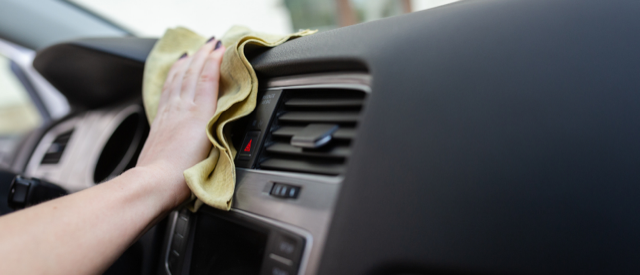
Springtime and summer are here! It’s the perfect time to get your vehicle fresh and looking great for the adventures that come with spring and summer fun. This article will give you super helpful tips and tricks for giving your car the deep, spring cleaning it deserves.
Cleaning the Interior
- Get rid of junk. Clean out any trash. Old receipts, maps (who uses those anymore?), or other paperwork and items that you don’t need, clear it all out.
- Clean hard surfaces first: Dashboard, steering wheel, doors, air vents, center console, and cupholders all collect dirt and dust. Use the soft bristle brush attachment on your vacuum to go over these surfaces first, then use a micro-fiber cloth with an approved cleaner to clean any remaining dirt and dust. Be sure to get into all the nooks and crannies.
- Vacuum/wipe down your seats. For fabric seats, vacuum them with the narrow nose attachment, then use an approved cleaner for scrubbing any stains or dirty areas. For leather seats, use the soft brush attachment on your vacuum to vacuum first, then use an approved cleaner to clean and condition them.
- Clean the carpet and floor mats. The best way to clean the floor mats is to take them out of the vehicle and spray them down with a high-power hose, then use a firm bristle brush or scrubber to clean any stubborn areas. Allow them to dry flat outside in the sun, or in a dry area. Next, thoroughly vacuum and clean the carpet. Use mild soap and water to wash the carpet, but be careful not to soak it. You can also use carpet cleaner to spot clean tough stains.
Cleaning the Exterior
- Hand-wash the exterior. If you want your vehicle to shine its best, a good hand-wash is the way to go. Grab a bucket, a hose connected to a clean water source, some car wash solution, and a soft sponge. Rinse the entire car to get leaves, loose dirt, and other debris off first before you start scrubbing. After scrubbing and a final rinse, dry the car with a soft towel.
- Don’t forget the wiper blades! Wash them in an alcohol-based solution and you’ll be able to minimize streaks on your windshield.
- Clean the headlights with…toothpaste? Yes! After an initial cleaning with the car wash solution, tape around your headlights (this protects the paint on your vehicle from the abrasiveness of the toothpaste), then use toothpaste and an old toothbrush to deep-clean your headlights. Finally, use a soft towel to buff them off.
- Clean the windows last. You may have kicked up some dust with all that cleaning, so be sure to clean the windows last. Use an ammonia-free cleaner for your windows. Add 3-4 drops of Dawn soap to a standard-sized spray bottle filled with distilled water. Spray your windows, scrub with a micro-fiber cloth, spray down once more, then use a squeegee to dry the window. This will ensure a streak-free, film-free shine!
Click here for tips and tricks to clean your car.
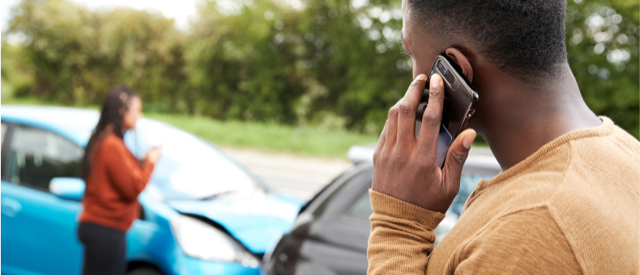
The Ultimate Accident Checklist For Accident Preparedness
Possibly the worst thing that can happen while driving is to be in a car accident. Even if you’re not injured, it’s a hugely stressful experience. The good news is that by being prepared and knowing what to do, you can make the aftermath process a lot smoother for yourself. In this post, we’ll outline the ultimate accident checklist so that you know just what to do if you find yourself in this situation. Stay safe out there!
1. Check for injuries and call 911 if necessary
After a car accident, it’s important to check for injuries and seek medical assistance if necessary. If you or anyone else involved in the accident is injured, or if the car is damaged to the point that it’s not safe to drive, you should call 911. The emergency dispatcher will be able to send help right away. They will also be able to provide instructions on what to do next. If you’re not sure whether or not you should call 911, err on the side of caution and make the call. It’s better to be safe than sorry.
2. Move to a safe area away from traffic
If you aren’t seriously injured and you can move your vehicle out of traffic, it is important to do so as soon as possible. Even if the accident was not your fault, you don’t want to put anyone else in danger. If you leave your car in the middle of the road, it creates a hazard for other drivers and can make it difficult for emergency vehicles to get to the scene of the accident if they have been called.
Here are a few tips for moving your vehicle to a safe area:
- Turn on your hazard lights. This will help warn other drivers that they should slow down and be cautious around you.
- Cautiously move your vehicle out of traffic. Move into a nearby parking lot or off to the side of the road.
- Don’t go too far from the scene of the accident. Move your vehicle to a safe place but stay near where the accident occurred so any emergency vehicles that have been called can easily find you, and so you can easily document the accident scene.
3. Exchange insurance information with other drivers involved
Once you’ve made sure everyone is okay, it’s time to start gathering information. It’s important to know which information you need to exchange, and which information you should not give.
Information you should exchange:
- Full names.
- Insurance companies’ names and policy numbers. That includes the insurance agents’ info if you or they have it.
- Vehicle information of all vehicles involved: make, model, year, VIN, color, and license plates. Most insurance cards have all this info listed, making the process much smoother so you don’t have to hunt down all this information separately.
Information you should not exchange:
- Contact information such as phone #, email, and address.
This is to protect your identity and privacy. The only time to give out contact information is if any other drivers involved do not have any insurance information to give you. - License or vehicle registration.
Most importantly, don’t admit fault at the scene of the accident. The insurance companies will sort out who is responsible later on. For now, simply exchange information and wait for help to arrive.
4. Take pictures of the accident scene and any damages done
This may seem like an unnecessary step, but actually, it can be very helpful in several ways. First of all, it can give you a record of what happened. This can be helpful if there’s any dispute about who was at fault for the accident. Photos can also be useful in estimating the cost of repairs. And finally, if you need to file a claim with your insurance company, photos can provide valuable evidence. We hope you never find yourself in this situation, but if you do be sure to snap a few pictures. It could save you a lot of trouble down the road.
5. Contact your insurance company and report the accident
After being in a car accident, it is important to file an accident report with your car insurance company. This report will help your insurance company determine who is at fault for the accident and how much money you will receive for damages. Without this report, your insurance company may not be able to properly process your claim and you may not receive the full amount of money you are entitled to. In addition, the accident report can be used as evidence if you need to take legal action against the other driver involved in the accident. Therefore, it is essential that you file a car accident report with your car insurance company as soon as possible after the accident occurred.
Conclusion
We hope you never find yourself in an accident, but if you do, we want you to be prepared. The ultimate accident checklist should help you take the appropriate steps and stay safe. If you have any questions about our warranties or protection plans, please don’t hesitate to visit our website. Thanks for reading and stay safe on the roads!
What is a Car Warranty and What Does it Cover?
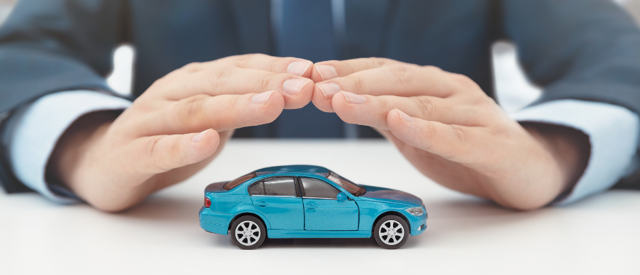
Your car happens to be the second most valuable thing. Unfortunately, as cars age, they tend to break down a little more often than when they were fresh off the lot. That’s why, whether you are buying a new or used car, you should ensure you have a car warranty.
The truth is that you can save a lot of money on expensive repairs you may encounter along the way by having that car warranty. The warranty also comes in handy when costly unplanned maintenance needs to be done. That said, this article will discuss exactly what a car warranty is and what it covers.
Read the rest of this entry »Connect with us


Recent Blog Entries
- Will the 2026 Mustang FX Package Be the Next Classic? Ford’s Boldest Retro Move Yet
- Are there any spy shots or teasers available for the 2026 Ford Mustang Raptor?
- Ready for Electric? Ford’s EV Future Explained
- Cómo Aumentar la Capacidad de Remolque de tu Ford F-150
- The Ultimate Guide to Maximizing Your F-150’s Towing Capacity