



The Ultimate Accident Checklist For Accident Preparedness
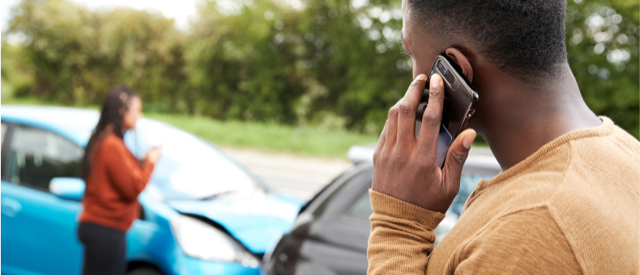
Possibly the worst thing that can happen while driving is to be in a car accident. Even if you’re not injured, it’s a hugely stressful experience. The good news is that by being prepared and knowing what to do, you can make the aftermath process a lot smoother for yourself. In this post, we’ll outline the ultimate accident checklist so that you know just what to do if you find yourself in this situation. Stay safe out there!
1. Check for injuries and call 911 if necessary
After a car accident, it’s important to check for injuries and seek medical assistance if necessary. If you or anyone else involved in the accident is injured, or if the car is damaged to the point that it’s not safe to drive, you should call 911. The emergency dispatcher will be able to send help right away. They will also be able to provide instructions on what to do next. If you’re not sure whether or not you should call 911, err on the side of caution and make the call. It’s better to be safe than sorry.
2. Move to a safe area away from traffic
If you aren’t seriously injured and you can move your vehicle out of traffic, it is important to do so as soon as possible. Even if the accident was not your fault, you don’t want to put anyone else in danger. If you leave your car in the middle of the road, it creates a hazard for other drivers and can make it difficult for emergency vehicles to get to the scene of the accident if they have been called.
Here are a few tips for moving your vehicle to a safe area:
- Turn on your hazard lights. This will help warn other drivers that they should slow down and be cautious around you.
- Cautiously move your vehicle out of traffic. Move into a nearby parking lot or off to the side of the road.
- Don’t go too far from the scene of the accident. Move your vehicle to a safe place but stay near where the accident occurred so any emergency vehicles that have been called can easily find you, and so you can easily document the accident scene.
3. Exchange insurance information with other drivers involved
Once you’ve made sure everyone is okay, it’s time to start gathering information. It’s important to know which information you need to exchange, and which information you should not give.
Information you should exchange:
- Full names.
- Insurance companies’ names and policy numbers. That includes the insurance agents’ info if you or they have it.
- Vehicle information of all vehicles involved: make, model, year, VIN, color, and license plates. Most insurance cards have all this info listed, making the process much smoother so you don’t have to hunt down all this information separately.
Information you should not exchange:
- Contact information such as phone #, email, and address.
This is to protect your identity and privacy. The only time to give out contact information is if any other drivers involved do not have any insurance information to give you. - License or vehicle registration.
Most importantly, don’t admit fault at the scene of the accident. The insurance companies will sort out who is responsible later on. For now, simply exchange information and wait for help to arrive.
4. Take pictures of the accident scene and any damages done
This may seem like an unnecessary step, but actually, it can be very helpful in several ways. First of all, it can give you a record of what happened. This can be helpful if there’s any dispute about who was at fault for the accident. Photos can also be useful in estimating the cost of repairs. And finally, if you need to file a claim with your insurance company, photos can provide valuable evidence. We hope you never find yourself in this situation, but if you do be sure to snap a few pictures. It could save you a lot of trouble down the road.
5. Contact your insurance company and report the accident
After being in a car accident, it is important to file an accident report with your car insurance company. This report will help your insurance company determine who is at fault for the accident and how much money you will receive for damages. Without this report, your insurance company may not be able to properly process your claim and you may not receive the full amount of money you are entitled to. In addition, the accident report can be used as evidence if you need to take legal action against the other driver involved in the accident. Therefore, it is essential that you file a car accident report with your car insurance company as soon as possible after the accident occurred.
Conclusion
We hope you never find yourself in an accident, but if you do, we want you to be prepared. The ultimate accident checklist should help you take the appropriate steps and stay safe. If you have any questions about our warranties or protection plans, please don’t hesitate to visit our website. Thanks for reading and stay safe on the roads!
![[Facebook]](https://www.fordlincolncharlotte.com/blogs/594/wp-content/plugins/bookmarkify/facebook.png)
![[LinkedIn]](https://www.fordlincolncharlotte.com/blogs/594/wp-content/plugins/bookmarkify/linkedin.png)
![[Twitter]](https://www.fordlincolncharlotte.com/blogs/594/wp-content/plugins/bookmarkify/twitter.png)
![[Yahoo!]](https://www.fordlincolncharlotte.com/blogs/594/wp-content/plugins/bookmarkify/yahoo.png)
![[Email]](https://www.fordlincolncharlotte.com/blogs/594/wp-content/plugins/bookmarkify/email.png)
Connect with us


Recent Blog Entries
- Will the 2026 Mustang FX Package Be the Next Classic? Ford’s Boldest Retro Move Yet
- Are there any spy shots or teasers available for the 2026 Ford Mustang Raptor?
- Ready for Electric? Ford’s EV Future Explained
- Cómo Aumentar la Capacidad de Remolque de tu Ford F-150
- The Ultimate Guide to Maximizing Your F-150’s Towing Capacity